- Unit 20/21 Warrington Market, WA1 2NT
- 01925 344 007
Diabetes can affect the small blood vessels at the back of the eye, including those supplying the retina. This can lead to diabetic retinopathy, which may cause sight loss if significant changes develop and are not detected and managed appropriately. Importantly, diabetic retinopathy does not always cause noticeable changes to your vision in its early stages.
At EDGE, we pay particular attention to the health of the retina when examining patients with diabetes. Detailed retinal photography allows us to look closely at the blood vessels and identify changes that may require further investigation or monitoring.
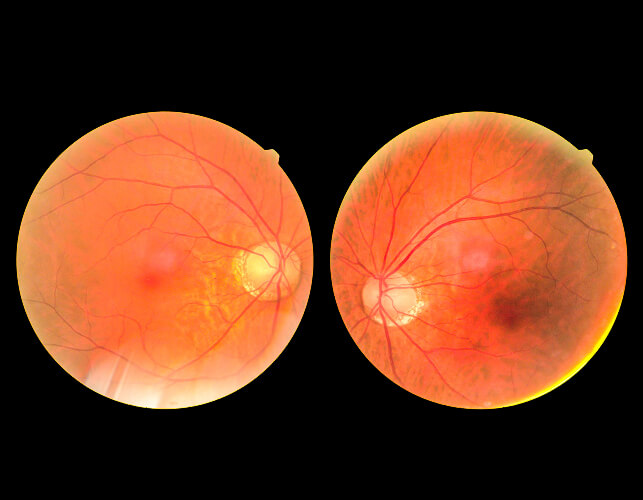
A good quality photograph of the retina is extremely valuable when looking for signs of diabetic retinopathy.
We also use a red-free filter when examining retinal photographs. This can help make certain changes more visible and provides another way of assessing the retinal blood vessels.
Looking carefully at the back of the eye is particularly important for patients with diabetes because diabetes affects blood vessels throughout the body. Changes in the small blood vessels at the back of the eye can therefore provide important information about your overall health.
You may not notice any change in your vision even when diabetic retinopathy is developing. This is why regular eye examinations and appropriate diabetic eye screening are important for people with diabetes. Diabetic eye screening is designed to detect changes before they affect your sight, while a regular eye examination also checks for other eye conditions.
If you have diabetes, it is important to attend your local diabetic eye screening programme when invited, as well as continuing with your regular eye examinations. The two services have different purposes and one should not be considered a replacement for the other.


If we have concerns about the appearance of your retina, we may recommend closer monitoring rather than simply waiting until your next routine appointment.
This can include bringing you back for additional retinal photographs between your regular examinations. Comparing images over time allows us to look for changes and decide whether further investigation or referral is appropriate.
The frequency of these additional checks will depend on your individual circumstances and what we see during your examination.
Looking after your general health is an important part of protecting your eyes when you have diabetes.
Good blood glucose control is important because high blood glucose levels can damage the blood vessels in the retina. Managing blood pressure and cholesterol, taking prescribed medication and attending your diabetic eye screening appointments are also important. If you smoke, stopping can help reduce the wider health risks associated with diabetes and protect your general eye health.
You should also contact your GP, diabetes care team or optometrist if you notice changes in your vision, rather than waiting for your next scheduled appointment.


Our approach is based on careful examination and ongoing monitoring. We take the time to obtain good quality retinal photographs and use additional imaging techniques, including red-free photography, to help assess the health of the retina.
Where we have concerns, we can arrange additional photographs between routine examinations. If the findings require specialist investigation or treatment, appropriate referral can be made.
Regular monitoring gives us the opportunity to identify changes and act on them rather than relying on symptoms alone.
Diabetic retinopathy is a complication of diabetes that affects the blood vessels in the retina at the back of the eye. It can develop gradually and may not cause noticeable symptoms in its early stages.
Yes. More advanced diabetic retinopathy can affect vision and can lead to sight loss if it is not appropriately managed. Detecting changes early gives patients the best opportunity for appropriate monitoring and treatment where required.
Retinal photographs allow us to examine the blood vessels and other structures at the back of the eye. Good quality images can be compared over time, which is particularly useful when monitoring patients with diabetes.
A red-free photograph uses a different filter when taking or examining an image of the retina. It can make certain features of the retinal blood vessels more visible and provides additional information when assessing retinal health.
Yes. A regular eye examination is not a replacement for the national diabetic eye screening programme. If you are eligible, you should continue attending your diabetic eye screening appointments as advised, as well as having regular eye examinations.
Depending on what we find, we may recommend closer monitoring and bring you back for additional retinal photographs. If we believe specialist assessment is required, we can arrange an appropriate referral.