- Unit 20/21 Warrington Market, WA1 2NT
- 01925 344 007
Glaucoma is an eye condition that can damage the optic nerve and cause permanent sight loss if it is not identified and managed appropriately. One of the challenges with glaucoma is that the most common form, primary open-angle glaucoma, can develop without noticeable symptoms, particularly in its early stages.
This is why regular, thorough eye examinations are so important. At EDGE Eyewear, every patient goes through a battery of examinations that can help us identify signs that may be associated with glaucoma, whether or not there are obvious symptoms or known risk factors.
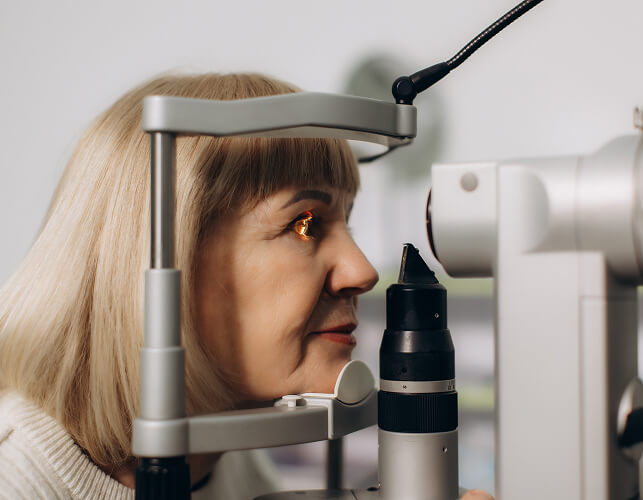
Glaucoma assessment is not based on a single test. We look at different aspects of your eyes and vision to build a clearer picture of your eye health.
One of the most important technologies we use is optical coherence tomography (OCT). OCT provides detailed images of structures within the eye and can help us identify changes to the optic nerve and surrounding tissues.
Depending on the individual patient and their clinical needs, glaucoma assessment can also involve measuring eye pressure, assessing the optic nerve and checking the visual field. Using different types of information together can provide a more reliable assessment than relying on one measurement alone.
The most common form of glaucoma can develop slowly and may not cause noticeable symptoms until significant damage has occurred. Many people are unaware that anything is wrong with their eyes until glaucoma has already affected their vision.
Regular eye examinations give us the opportunity to look for changes before you notice them yourself. They also allow us to compare results over time, which is particularly important when monitoring someone who may be at increased risk of glaucoma or has previously shown signs that require closer observation.
Risk factors can include age, a close family history of glaucoma, certain ethnic backgrounds, high levels of short-sightedness and some medical conditions. However, glaucoma can also occur in people without obvious risk factors, which is why we assess every patient carefully.


If an examination raises concerns but does not indicate that an urgent hospital referral is required, we may recommend monitoring your eyes more closely.
Rather than simply waiting for your next routine examination, this can mean bringing you back for more frequent check-ups and comparing your results over time. Changes in the optic nerve, OCT scans, eye pressure and visual field results can all contribute to understanding whether a patient is stable or whether further investigation is needed.
This approach allows monitoring to be tailored to the individual patient rather than applying the same follow-up schedule to everyone.
If we have serious concerns about your eyes or believe that specialist investigation or treatment is required, we will refer you to the appropriate hospital eye department.
Our role is to recognise when further investigation is needed and make sure that patients receive the right level of care. Where closer monitoring is clinically appropriate, we can continue to monitor you in practice and arrange follow-up examinations at suitable intervals.


Glaucoma can be difficult to detect without a thorough eye examination, which is why we take the time to assess every patient carefully.
Our approach combines detailed clinical examinations with technology such as OCT, while allowing the frequency of follow-up to reflect each patient’s individual circumstances.
If you have a family history of glaucoma, have been advised to have more frequent checks, or simply want to make sure your eyes are being monitored properly, an eye examination at EDGE Eyewear can help assess your current eye health.
Yes. Primary open-angle glaucoma often has no noticeable symptoms in its early stages. This is one of the main reasons regular eye examinations are important.
OCT can provide valuable information about the structure of the optic nerve and can help identify changes associated with glaucoma. However, it is used alongside other clinical assessments rather than as a standalone glaucoma test.
The appropriate interval depends on your age, eye health, risk factors and previous examination results. Some people may need more frequent monitoring if there are concerns about glaucoma or a higher-than-average risk.
If there are signs that require specialist investigation, we can refer you to the appropriate hospital eye department. If the findings suggest that closer monitoring is appropriate instead, we can arrange more frequent examinations and monitor your eyes over time.
Yes. Eye pressure is an important part of glaucoma assessment, but glaucoma can occur even when the measured pressure is not particularly high. This is another reason why a thorough assessment should consider several different aspects of eye health.